The Secret Sauce of AI: Understanding what Image Annotation is with Rabbitt AI
Table of Contents
- Introduction
- What is Image Annotation?
- Why Is Image Annotating So Critical?
- How We Use Image Annotation?
- Image Annotation Types
- Bounding Boxes
- Semantic Segmentation
- Polygons
- Keypoint Annotation
- Line Annotation
- 3D Cubes
- Instance Segmentation
- Time-consuming Process
- High Prices
- Ensuring Coherence and Accuracy
- Handling Uncommon Situations
- Data Privacy Issues
<a name="introduction"></a>
Introduction
Well, like any other folks, you might have this obvious question mark on your head, right? Like "What is image annotation really?". Image Annotation, the superhero of the AI revolution. Amidst all the hype about flashy, new tech over the years, it is images like these labelled ones that are carrying the burden underfoot. And guess what? They are more crucial to AI than your morning coffee is to you (and believe me, that's a HUGE understatement). The world market for image annotation tools has a size of 1.3 billion dollars, and by 2028, it will grow at an annual compound rate of 26.5%, information confirms Grand View Research. Well, if that does not get your attention, then I do not know what will.
<a name="what-is-image-annotation"></a>
What is Image Annotation?
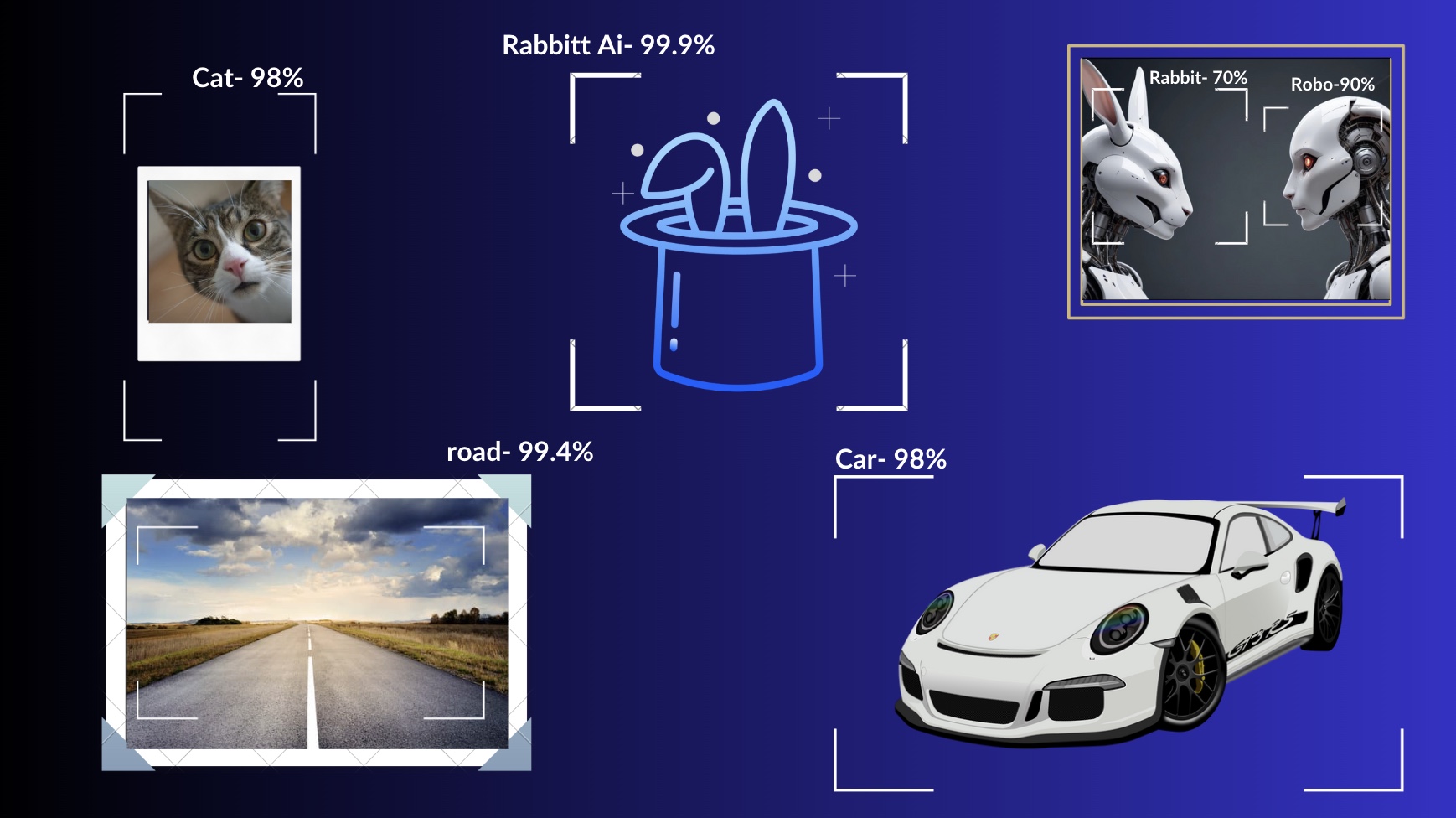
First off, let me clear one thing up: image annotation is not drawing moustaches on peoples' faces (however enjoyable that may be). In the realm of AI, image annotation is the process of accurately labelling images, a critical part of teaching machines to comprehend pictures fully. Another way of thinking about it is training a robot to see. In other words, when we tag an image with faces, objects or other characteristics, we teach AI how to recognize things visually. All the so-called self-driving cars and so wise drones would be as blind as a bat in broad daylight without this step.
<a name="why-is-image-annotating-so-critical"></a>
Why Is Image Annotating So Critical?
How does any of this relate to image annotation? Ok, now think about learning a new language without any reference. AI without image annotation — lost. These images are the basic block for any computer vision system called annotated images. Minus those, you'd have an AI that can't differentiate a cat from a cactus, and well, we all know nobody wants that. The stakes are raised as industries like healthcare, automotive, and retail are very much at stake in AI-driven image recognition. Genuine annotations, on the other hand, will not confuse a mole as a mountain in front of AI eyes. Literally!
<a name="how-we-use-image-annotation"></a>
How We Use Image Annotation?
Image annotation is used for a range of things, from your pocket-sized personal assistant to life-saving medical diagnoses. Annotated images in the healthcare sector let AI systems detect anomalies in X-rays and MRIs. They teach autonomous vehicles how to identify pedestrians, traffic signs, and even bikes in the field of automotive. Retail leaders are using it in their stores to streamline the shopping process and enable features such as visual search and automated inventory management. In the field of agriculture, annotated images assist in tracking the health of the crop and recognizing diseases. It's sort of like having an army of turbo-boosted interns who never take coffee breaks.
<a name="image-annotation-types"></a>
Image Annotation Types
A host of techniques come into play as you begin to explore the possibilities in the world of image annotation. From bounding boxes to semantic segmentation space, everything applies different practices.
<a name="bounding-boxes"></a>
Bounding Boxes
The bread and butter of object detection helps AI pick out objects in an image. Think of them as a framework that helps AI "see" where one object ends and another begins.
<a name="semantic-segmentation"></a>
Semantic Segmentation
It takes annotation a step further by tagging every pixel in an image to distinguish different objects. This method is key for tasks that require a more detailed understanding of the image content.
<a name="polygons"></a>
Polygons
They are used to annotate irregularly shaped objects that do not fit into rectangular boxes. This method involves drawing polygonal shapes around objects to capture their exact boundaries.
<a name="keypoint-annotation"></a>
Keypoint Annotation
Includes marking specific points of interest within an image. This technique is particularly useful for tasks that require tracking movement or understanding the structure of an object.
<a name="line-annotation"></a>
Line Annotation
They are used to draw lines across images to identify linear features. This method is often used in scenarios where the AI needs to understand boundaries or paths within an image.
<a name="3d-cubes"></a>
3D Cubes
Extend bounding boxes into three dimensions and provide a volumetric understanding of an object. This type of annotation is necessary for applications that require depth perception.
<a name="instance-segmentation"></a>
Instance Segmentation
Combines the benefits of bounding boxes and semantic segmentation. It not only labels each pixel in the image but also distinguishes between multiple instances of the same object class.
<a name="why-is-image-annotation-better-on-rabbitt-ai"></a>
Why is Image Annotation Better on Rabbitt AI?
We will discuss the small portion of Rabbitt AI Image Annotation here and what makes this the best of the best. First off, privacy. In a world where other image annotation companies consider your data, the free samples are in the grocery store Rabbitt AI makes sure your data stays your little secret. We have a zero-tolerance policy for data abuse here at ArirangMole. We know how valuable your data is, and it is as useful as your grandma's cookie recipe, and we are committed to keeping it secure. Then there's our Curators AI. Just picture a personal guide who is constantly at your beck and call for image annotation or preparing a sales strategy minus having to shell out a huge sum of money. You can think of it as a very snarky friend who is also a genius and always has you covered no matter when it is. Are your images waiting for the perfect labels? Done!
<a name="image-annotation-problems"></a>
Image Annotation Problems
Well here comes the bitter truth and the second side of the face; image annotation is a very complex and labour-intensive activity. Image annotation, though it may be tedious, is not a walk in the park. Nonetheless, recognizing these challenges at first instance will be of great help when attempting to overcome them with the aid of Rabbitt AI.
<a name="time-consuming-process"></a>
Time-consuming Process
Let's face it, manually labelling thousands of images is about as fun as watching paint dry. Each image needs to be filled up carefully by hand, which means that large datasets require more time for completion. Such delays can lead to project timeline overruns especially where bulk data annotations are needed by firms.
Rabbitt AI Solution: Leveraging cutting-edge artificial intelligence technologies and automation enables Rabbitt AI to save time when annotating images. In this regard, our Curator's AI helps in smoothing out the process, thus leading to faster and more efficient annotations devoid of quality compromise.
<a name="high-prices"></a>
High Prices
Employing a set of experienced professionals comes at a cost. This can be high if you have complicated projects to deal with that need specialized information, like in medical imaging or autonomous vehicle training. For many companies, this is impractical, especially for startups.
Rabbitt AI's Way Out: Rabbitt AI combines human knowledge and AI-driven automation to offer low-cost annotations. It is so because it manages to maintain quality annotations while reducing costs by a great margin, thereby making it affordable to all business sizes.
<a name="ensuring-coherence-and-accuracy"></a>
Ensuring Coherence and Accuracy
It takes immense efforts to keep big data sets consistent throughout the research period. Some annotators may have variations in what they conceive, hence resulting in misleading, inconsistent annotations that confuse the AI model. Inaccuracy is very critical, considering that even small mistakes can lead to major problems in the functioning of artificial intelligence.
Rabbitt AI's Way Out: Rabbitt AI guarantees morphosis and validation processes are put in place to ensure that consistency and accuracy are prioritised in our output. These algorithms continuously refine the annotation process through learning from corrections made on them by users of Rabbitt AI systems.
<a name="handling-uncommon-situations"></a>
Handling Uncommon Situations
These instances that are rare and difficult but very necessary for the AI to know, referred to as edge cases, pose a huge challenge. For instance, it could be challenging and time-consuming for an annotator to properly recognize and label these outliers.
Use of Rabbitt AI: Rabbitt AI's adaptable training programs and continuing education initiatives cover all the most intricate types of edge scenarios. Using our Curators AI system will keep annotators alert and avoid missing out on anything.
<a name="data-privacy-issues"></a>
Data Privacy Issues
In a world where data breaches occur frequently, such as cat videos on the internet, protecting annotated data privacy stands paramount. Firms must take measures to prevent sensitive information from falling into the wrong hands.
Solution with Rabbitt AI: When considering data privacy concerns, one of the top priorities is Rabbitt AI; in this case, strict security measures are applied so that your information remains secure and confidential. With us at Rabbitt AI, your data gets all its attention; it doesn't get shared or exposed.
<a name="conclusion"></a>
Conclusion
In conclusion, what is image annotation? The backbone of many AI applications, and with Rabbitt AI, you're not just getting annotations—you're getting a partner in innovation. So, the next time someone downplays the importance of image annotation, just remind them that without it, their favourite AI would be about as useful as a chocolate teapot. And that's a fact.